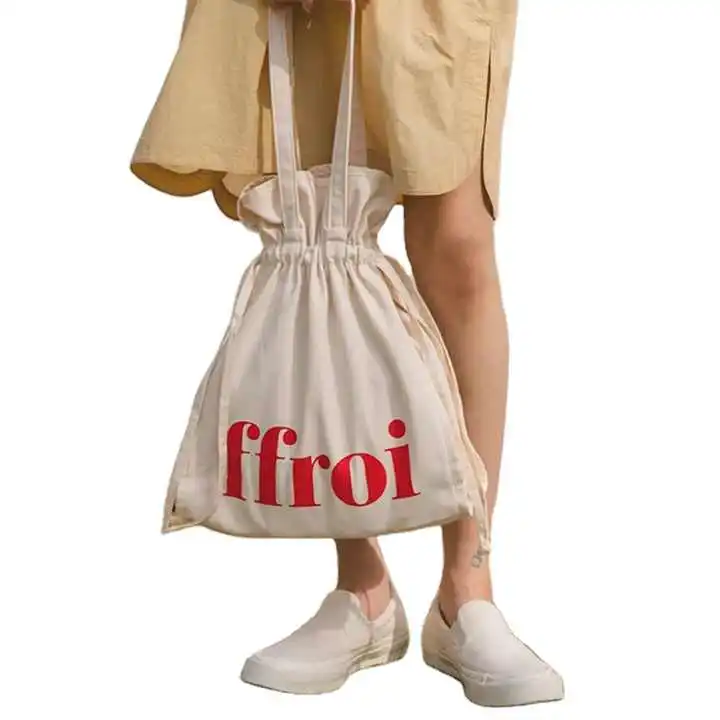
Your brand's logo is on a tote bag, but the strap snaps after one use. This isn't just an inconvenience; it's a reflection on your brand's quality.
A truly durable tote bag depends on three core features: heavy-duty fabric (like 10-12 oz canvas), reinforced stitching at all stress points (especially where handles attach), and strong, well-secured handles. These elements work together to withstand daily wear and heavy loads.
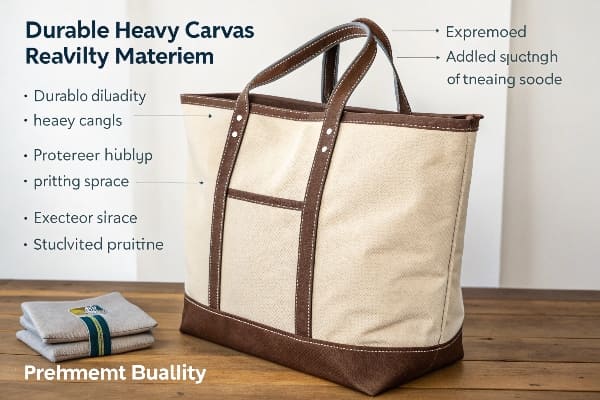
A close-up shot showing the reinforced cross-stitching on a canvas tote bag handle
A tote bag is more than just a convenient item for your customers; it's a walking billboard for your business. When it fails, it tells the world that your brand might cut corners. I've spent over 20 years in the bag industry, and I've seen how quality construction can make or break a brand's reputation. A cheap, flimsy bag gets thrown away. A strong, durable one becomes a trusted daily companion, carrying your brand with it everywhere. Let's break down the exact features you need to look for to ensure your tote bags last.
You have a great design, but will the bag actually stand up or just collapse into a sad puddle of fabric? I’ve seen brands invest in beautiful printing only to have the final product look cheap and saggy.
Sturdiness comes from the combination of three things: a high-weight material, reinforced stitching techniques, and a structural base. Thick canvas or PU leather, combined with double stitching and a bottom gusset, creates a bag that holds its shape and your customers' trust.
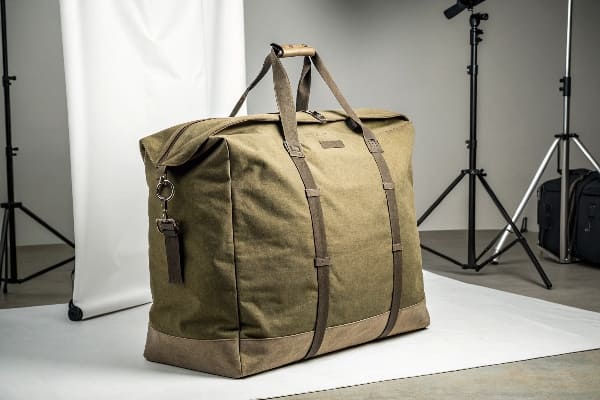
A sturdy canvas tote bag standing upright on its own on a flat surface
A bag’s sturdiness is its skeleton. Without a strong skeleton, the whole thing falls apart. When I work with clients like Clare, whose brand image is built on quality, we always start the conversation with the bag's foundation. It has to feel substantial in the customer's hands.
The weight of the fabric is the first indicator of quality. For canvas, this is measured in ounces (oz) or grams per square meter (GSM). A thin, 5 oz canvas bag is fine for a giveaway, but it won't feel sturdy. For a retail product, you should aim for 10 oz at a minimum, with 12 oz or even 14 oz canvas providing excellent structure and a premium feel. This heavy fabric prevents the bag from sagging, even when it’s not full.
How the bag is held together is just as important as what it's made of. Look for tight, even seams. The best technique for stress points, like where the handles connect to the bag body, is [reinforced stitching][^1]. This can be a simple back-and-forth stitch or, even better, a box or cross-stitch (a stitched 'X' inside a box). This small detail distributes weight and tension, preventing the handle from tearing away from the bag.
A flat bag can't hold much and won't stand up. The solution is a [gusset][^2].
A bottom [gusset][^2] is a separate piece of fabric sewn in to give the bag a flat, rectangular base. This allows it to stand on its own and dramatically increases its capacity and structural integrity. For my client Atziri, who sells various items through her TikTok shop, a [gusset][^2]ed tote is essential. It lets her customers use the bag for a proper grocery run or a day out, making it far more useful.
You can spot a cheap bag from a mile away. It just feels wrong. Your customers can tell the difference, too. Quality is found in the details that budget manufacturers often skip.
Key features include durable fabric like [heavy canvas][^3], reinforced handle stitching, a [gusset][^2] for structure and space, high-quality printing that won't crack or fade, and solid hardware like [metal zippers][^4] or snaps. These details create a bag that feels premium and lasts.
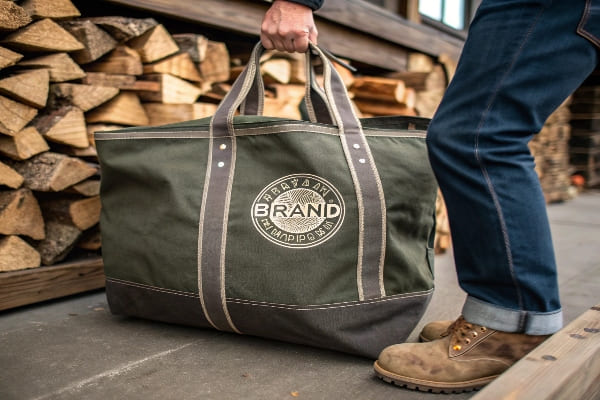
A tote bag showcasing multiple quality features like a metal snap, an inside pocket, and clean printing
When a customer pays for your product, they expect quality that lasts. Every component of the bag contributes to that perception. It's the difference between a bag they use once and a bag they use for years. Focusing on these details shows you respect your customer and your own brand.
The handles are the most-used part of the bag. They need to be comfortable and strong. You have two main options: "self-fabric" handles, made from the same material as the bag, or webbing handles (often cotton or polypropylene). Webbing is often stronger and can add a nice design contrast. More importantly, check how they are attached. Are they just sewn onto the edge, or are they reinforced with the cross-stitching we talked about? The length and width also matter for comfort. A wider strap distributes weight better on the shoulder.
What's on the inside can be a huge selling point. The simplest addition is an [internal pocket][^5]. It’s a small feature that adds immense value, giving your customers a place to put their keys, phone, or wallet. For some bags, like the custom makeup bags we create for my client Jill, a lining is essential. A [waterproof lining][^6] not only protects the bag from spills but also adds a layer of structure and a premium, finished feel.
The final details can make or break the bag's perceived value. If you're printing a logo, how is it done? High-quality screen printing ensures the design is sharp and won't peel or crack after a few uses. If the bag has closures, check the hardware. A sturdy metal snap or a smooth-pulling metal zipper feels much more secure and high-end than a flimsy plastic one. At Lilalila, we know these small choices add up to create a product we are proud of, and a product your customers will love.
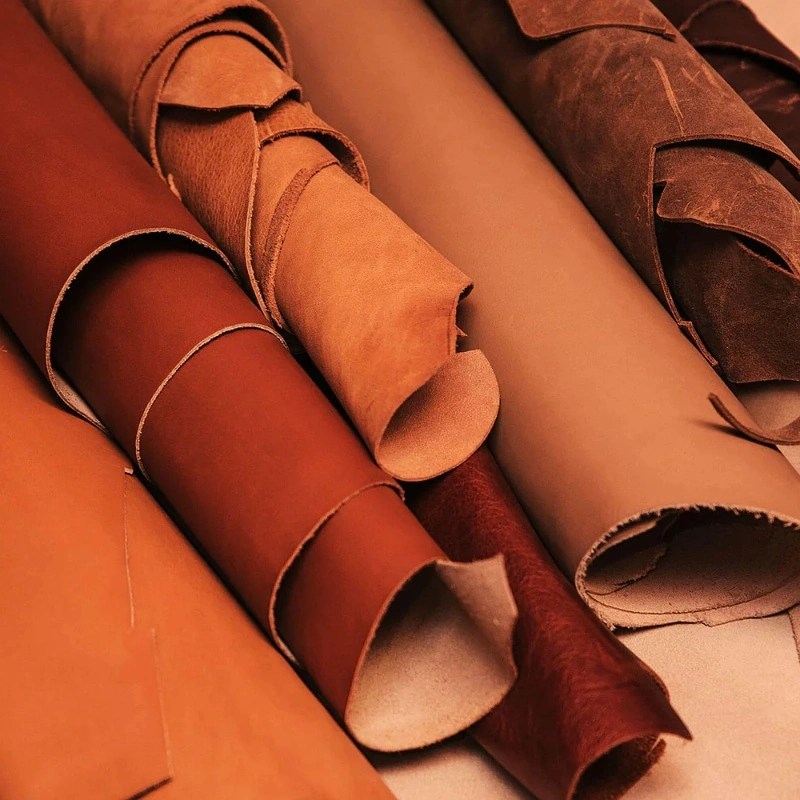
You see tote bags made from everything from thin cotton to shiny [PU leather][^7]. Are they all equally strong? Definitely not. Choosing the wrong material for your project can lead to unhappy customers.
The durability of a tote bag depends entirely on its material. Heavy canvas and [PU leather][^7] are very durable for daily retail use. Jute is also strong but coarse. Non-woven PP bags are the least durable, best for one-time promotional events.
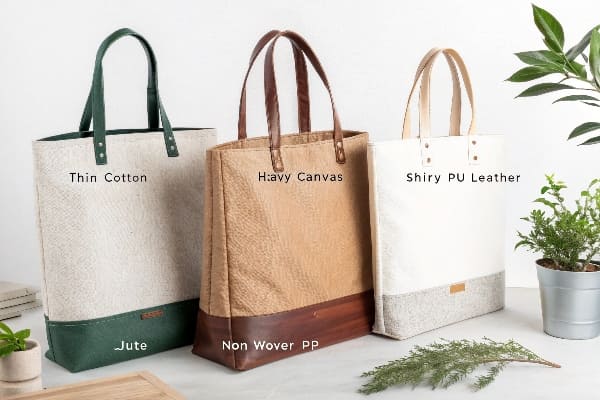
A side-by-side comparison of tote bags made from canvas, [jute][^8], and non-woven material
Matching the material to the bag's intended purpose is one of the most important decisions you'll make. A bag meant to be a fashion accessory has different needs than a bag meant for weekly grocery shopping. Understanding the strengths and weaknesses of each common material is key to sourcing a product that performs as expected and delights your customers. For example, a non-woven bag is fantastic for a trade show giveaway since it's inexpensive, but it would be a poor choice for Clare’s brand, which requires a bag her followers will use for years.
Here’s a quick guide to compare common tote bag materials:
| Material | Common Use | Durability Rating | Key Strengths | Key Weaknesses |
| **Heavy Canvas (10oz+)** | Daily use, retail, grocery | ★★★★★ | Very strong, washable, premium feel | Can be heavy, higher cost |
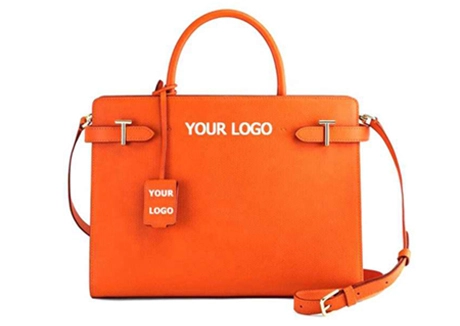
| **PU Leather** | Fashion bags, branded merch | ★★★★☆ | Water-resistant, structured look | Not breathable, can scuff |
| **Jute** | Grocery bags, rustic brands | ★★★★☆ | Extremely strong, eco-friendly | Coarse texture, can shed fibers |
| **Non-Woven PP** | Promotional giveaways | ★★☆☆☆ | Very inexpensive, water-resistant | Flimsy feel, tears easily |
A durable tote bag is built with strong materials, [reinforced stitching][^1], and smart construction. Investing in these features is an investment in your brand’s reputation, creating a product customers will trust and love.
[^1]: Learn about the significance of reinforced stitching in ensuring the longevity and strength of tote bags.
[^2]: Discover how a gusset can enhance the capacity and stability of tote bags, making them more practical.
[^3]: Explore how heavy canvas enhances durability and quality in tote bags, making them a preferred choice for consumers.
[^4]: Explore why metal zippers are preferred for their durability and smooth operation in tote bags.
[^5]: Find out how an internal pocket can improve organization and convenience for tote bag users.
[^6]: Explore the advantages of waterproof linings in protecting contents and adding value to tote bags.
[^7]: Learn about the benefits and drawbacks of using PU leather for stylish and functional tote bags.
[^8]: Discover the eco-friendly benefits of jute and why it's favored for sustainable tote bag options.

From materials to delivery — we handle every step for a smooth, hassle-free experience.

Get professional guidance on materials and design to match your brand and budget.

Test our quality with free samples.

Get your custom quote within 12 hours to start your project faster.
Fill out the form below, we'll review your project carefully and provide clear details on timing, pricing, and requirements.